
Domestic Violence Attorney in New York, NY
Iniguez Law Group, PLLC provides dedicated domestic violence attorney services in New York, NY, helping victims across Manhattan, Brooklyn, Queens, the Bronx, Staten Island, Nassau County, Yonkers, White Plains, and New Rochelle protect their safety and legal rights. The firm has served families since 1996 and is led by attorney James E. Iniguez, recognized as a Super Lawyer every year from 2020 through 2025.
If you or someone you love is facing an abusive situation right now, call (212) 406-4991 to speak with a compassionate advocate today.
Protecting Victims of Abuse Across New York City
Domestic violence is one of the most serious and frightening situations a person can face. At Iniguez Law Group, PLLC, in New York, NY, we are committed to protecting victims of domestic abuse and helping them reclaim safety and peace of mind. Since 1996, our attorney has stood alongside victims throughout the NYC boroughs, Nassau, Yonkers, White Plains, and New Rochelle—guiding them through the legal process with compassion, clarity, and decisive action. Recognized as a Super Lawyer from 2020 through 2025, James E. Iñiguez brings decades of experience and a genuine commitment to protecting your rights and your family. If you or someone you love is in danger, do not wait. Call
(212) 406-4991 to speak with our domestic violence attorney today.
Se Habla Español.
What Qualifies as Domestic Violence Under New York Law

Many people are unsure whether what they are experiencing legally qualifies as domestic violence. Under New York’s Family Court Act Article 8, domestic violence—legally referred to as a “family offense”—covers a wide range of abusive conduct between people in specific covered relationships.
Covered Offenses
New York law defines family offenses to include:
- Physical assault, battery, or reckless endangerment
- Sexual abuse or misconduct
- Harassment, aggravated harassment, or stalking
- Menacing or placing someone in fear of physical harm
- Disorderly conduct or criminal mischief directed at a household member
- Identity theft or unlawful imprisonment in a domestic context
Covered Relationships
Family Court Act Article 8 applies to situations involving:
- Current or former spouses or domestic partners
- People who share a child, regardless of whether they ever lived together
- Current or former intimate partners who have lived together
- Family members related by blood or marriage
If you are unsure whether your situation qualifies, speak with our attorney. Many victims do not recognize the full extent of what they are legally entitled to — a call costs nothing and could change everything.
What Is a Domestic Violence Order of Protection?
A domestic violence order of protection is a court-issued document that places legal restrictions on an abuser’s behavior. Depending on the specifics of your case, a protection order in New York can:
- Prohibit the abuser from contacting or approaching you at home, work, or school
- Remove the abuser from your shared residence
- Restrict or supervise the abuser’s contact with your children
- Require the abuser to surrender firearms or other weapons
- Order the abuser to pay temporary support or expenses related to the abuse
Violations of a protection order carry serious legal consequences, including arrest and criminal charges. Our attorney can help you understand exactly what your order covers and what to do if it is violated.
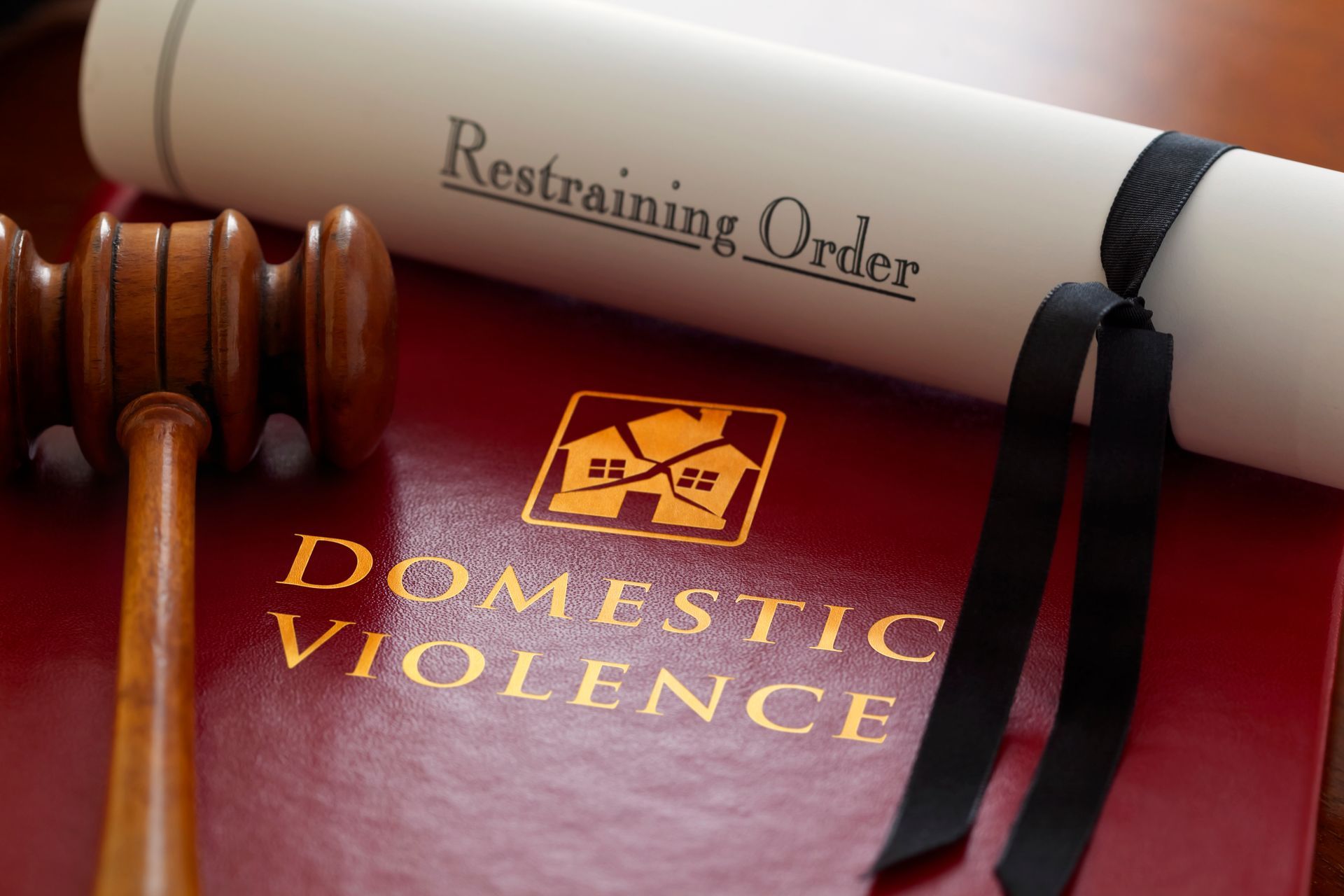
How to Get an Order of Protection in New York
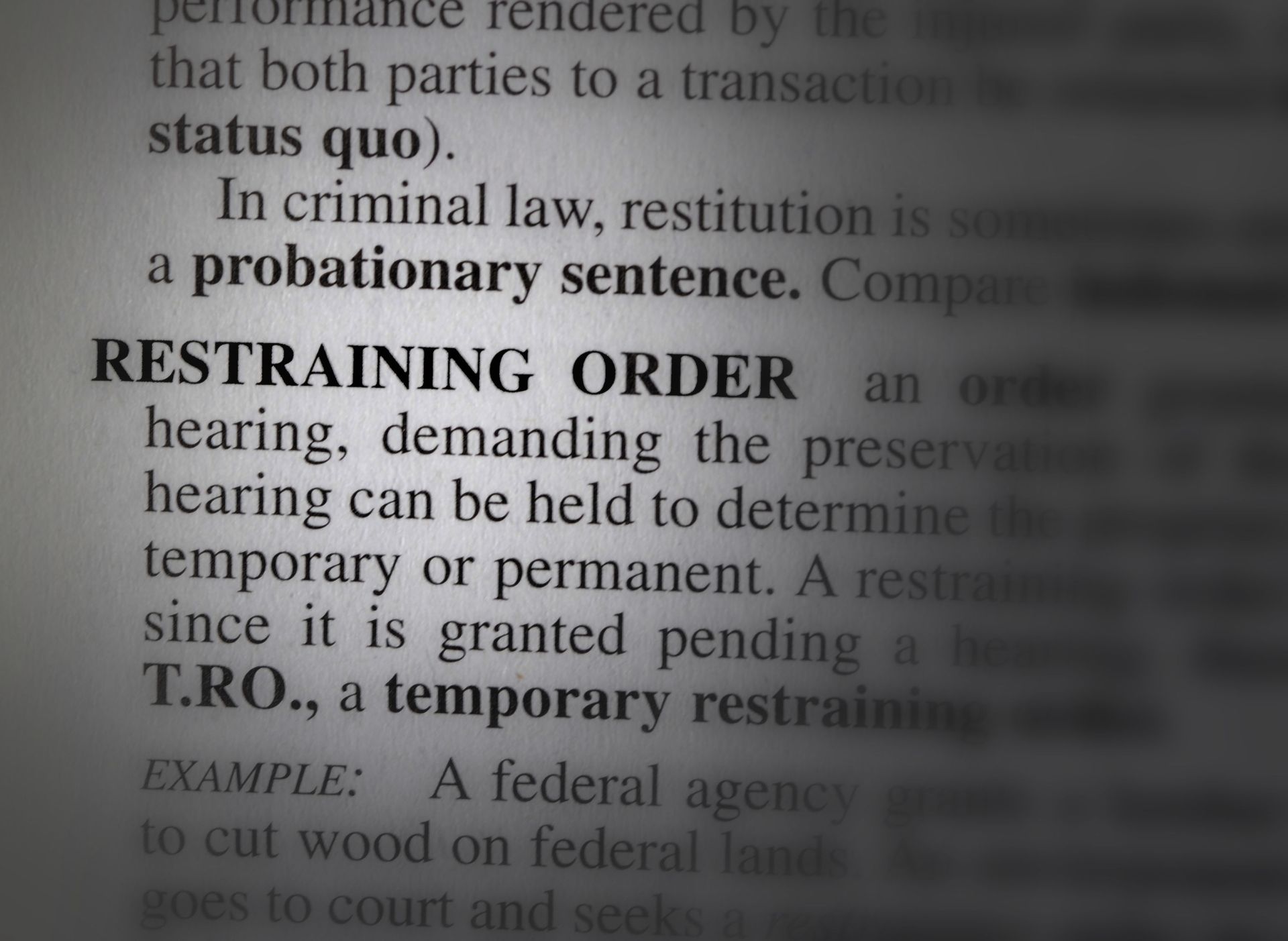
Obtaining a protection order can feel overwhelming, especially when you are already under enormous stress. Our attorney guides you through every step, ensuring nothing is missed and no deadline is lost. Here is how the process generally works in New York:
Step 1: Contact Law Enforcement or Go Directly to Family Court
If you are in immediate danger, call 911. In non-emergency situations, you can go directly to your local Family Court to begin the legal process. In Manhattan, Family Court is located at 60 Lafayette Street, New York, NY 10013. Clerks there can assist you in filing the initial paperwork, though having an attorney prepare and present your petition significantly strengthens your case.
Step 2: File a Family Offense Petition
At Family Court, you or your attorney will file a Family Offense Petition — a formal legal document describing the abuse and asking the court for protection. The petition details the relationship between you and the abuser and the specific acts of violence or harassment that occurred. Accuracy and completeness in the petition are critical; our attorney ensures yours is thorough and legally precise.
Step 3: Ex Parte Hearing for a Temporary Order of Protection
After the petition is filed, a judge will typically hear from you the same day in what is called an ex parte hearing — meaning only your side is present, without the abuser. If the judge finds sufficient grounds, a Temporary Order of Protection (TOP) will be issued immediately. This order goes into effect right away and requires the abuser to comply with its terms before they are even notified of the proceeding.
Step 4: Service on the Abuser
The abuser must be formally served with a copy of the Temporary Order of Protection and notified of the next court date. Law enforcement typically handles service. The abuser is now legally bound by the order’s terms from the moment they are served.
Step 5: Return Date and Final Order of Protection
Both parties return to court on a scheduled date, where the judge hears both sides. At this hearing, the court may issue a Final Order of Protection that lasts for a set period — often two to five years, and longer in cases involving aggravating circumstances. Our attorney advocates vigorously at this hearing to ensure the most protective and comprehensive order possible is granted.
How Our Domestic Violence Attorney Helps You
Navigating the court system alone while dealing with the trauma of abuse is an enormous burden. Iniguez Law Group, PLLC takes that burden off your shoulders. Our attorney:
- Explains your legal rights and options in plain language
- Prepares and files your Family Offense Petition accurately and promptly
- Represents you at all court hearings, including the ex parte hearing and final order hearing
- Advocates for the broadest possible protection, including custody and visitation restrictions on the abuser
- Coordinates with related divorce, custody, and child support proceedings so every aspect of your case is aligned
- Provides bilingual support — Se Habla Español
Serving clients throughout Manhattan, Brooklyn, Queens, the Bronx, Staten Island, Nassau County, Yonkers, White Plains, and New Rochelle, our firm is positioned to help families across the entire New York metro area.

What Clients Say
“When you are feeling vulnerable and in need of legal representation, you want a pitbull by your side that knows how to communicate with others by understanding what you and the other party really want. And during negotiations, you want someone who can assertively represent your needs and interests, to get you a desired outcome. The legal system is not always pretty, that is why you need an experienced professional who genuinely cares about people to represent you.”
- Marc P.
“James breathed new life into my case and didn’t need me to tell him much. He got the situation. He has guts, heart, and equal parts psychologist and justice hunter. I was shocked at how quickly he assessed the landscape of the case and the psychological mechanics of those involved. He found resources I didn’t know I had to use and eventually won the battle for me.”
- Alexis B.
“After several defeats in a litigious custody battle, I came to James with low expectations. James breathed new life into my case and didn’t need me to tell him much. He got the situation… He found resources I didn’t know I had to use and eventually won the battle for me. I’ve referred him to all my closest friends.”
- Selma K.
FREQUENTLY ASKED QUESTIONS
Can I get an emergency order of protection in New York right away?
Yes. New York courts can issue a Temporary Order of Protection (TOP) on the same day you file a Family Offense Petition, at an ex parte hearing where only you and your attorney are present. The judge does not need to hear from the abuser before granting this emergency protection. A TOP goes into effect immediately and is legally enforceable from the moment the abuser is served. If you are in immediate physical danger, call 911 first — law enforcement can also initiate an Emergency Protective Order before you reach Family Court.
What happens at the first Family Court hearing for a domestic violence case?
Your first hearing is typically an ex parte proceeding — meaning you appear before the judge without the other party present. Your attorney presents the Family Offense Petition, and the judge reviews the evidence to determine whether a Temporary Order of Protection should be issued. If granted, the order takes effect immediately. A return date is then set, usually within a few weeks, at which both parties appear and the court determines whether to issue a longer-term Final Order of Protection. Having an attorney at both hearings significantly improves your chances of obtaining the strongest possible protections.
How does a domestic violence case affect child custody and visitation?
Domestic violence is one of the most significant factors a New York Family Court judge considers when making custody determinations. Under New York law, courts must consider any history of domestic violence when deciding custody and visitation arrangements. A protection order can include provisions that restrict the abuser’s access to your children, require supervised visitation, or restrict exchanges to neutral public locations. Our attorney coordinates your domestic violence case directly with any pending or future custody proceedings to ensure the court has a complete picture of the safety concerns involved.
Can the abuser fight or contest the order of protection?
Yes. At the return court date, the abuser has the right to appear and contest the petition. They may deny the allegations or argue that a Final Order of Protection is not warranted. This is why having an experienced domestic violence attorney represent you at the hearing is critical. Our attorney prepares your testimony, organizes supporting evidence, and advocates directly to the judge for the broadest and most enforceable protections possible. Courts take domestic violence petitions seriously, and a well-prepared presentation makes a material difference in the outcome.
What should I do if the abuser violates the order of protection?
Call 911 immediately and report the violation. A violation of a court-issued order of protection is a criminal offense in New York and can result in the abuser’s immediate arrest. Document everything — save messages, photograph any injuries or damage, and write down what happened with dates and times. Contact our attorney as well: we can appear in court on your behalf to report the violation and pursue contempt or criminal charges against the abuser. Violations can also be grounds for extending or strengthening the existing order.
Speak With a New York Domestic Violence Attorney Today
You do not have to face this alone. Iniguez Law Group, PLLC has stood alongside domestic violence victims in New York for nearly 30 years. We understand the urgency of your situation and are ready to act quickly on your behalf. Call (212) 406-4991 or contact us online to schedule a confidential consultation. Taking this step can start your journey toward safety.
Se Habla Español. Serving Manhattan, Brooklyn, Queens, the Bronx, Staten Island, Nassau County, Yonkers, White Plains, and New Rochelle.